
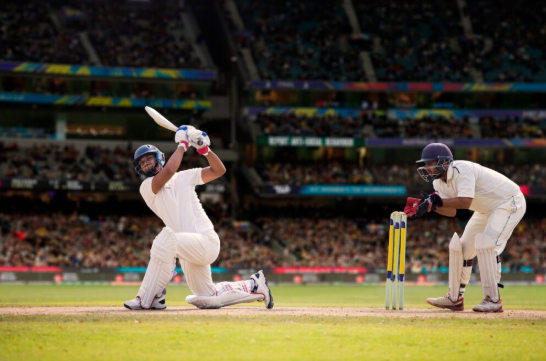
Cricket has always been a live sport in the truest sense. Even on radio, it felt like something happening right now, somewhere just out of reach. Mobile platforms have taken that “right now” feeling and turned it into a product feature, sometimes the main one.
A good snapshot of how this is being packaged for fans is the tamasha cricket betting live app experience, where live match context and quick actions sit side by side. It’s not about one specific platform. It’s about the direction of the entire category: real-time engagement is no longer optional.
Cricket doesn’t reward “catch up later” the way other sports might
Some sports are built for highlights. Cricket is built for moments that change the temperature of a room. A wicket that comes out of nowhere. A dropped catch that haunts an innings. Two overs that swing a chase from “easy” to “uh-oh.”
Fans know this. Platforms know this too. If an app is even slightly behind, the user learns about the wicket from a WhatsApp group first, and the platform becomes background noise.
Real-time engagement solves that, or at least tries to. It compresses the gap between the ball being delivered and the fan reacting, sharing, chatting, or taking an action inside the platform.
“Real-time” is not one feature, it’s a stack of small, fussy decisions
Platforms often market live engagement like it’s a switch: turn on live, job done. In reality, it’s a chain. Break one link and the experience feels fake.
The basics fans now expect
- Live scores that refresh fast and don’t jump around
- Ball-by-ball updates that match the broadcast rhythm
- Player and team stats that update without manual refresh
- Quick access to key moments (wickets, boundaries, milestones)
- Alerts that arrive on time, not five minutes late
That last one matters more than people admit. A late notification is worse than none because it reminds the user the platform is lagging behind the conversation.
Second-screen behavior is the new normal, and platforms are built around it
Cricket viewing used to be a single-screen activity. Not anymore. Many fans watch on TV or a stream, while the phone handles everything else: live chat, fantasy teams, polls, stats, short clips, memes, and yes, interactive formats that respond to what’s happening.
This is where real-time engagement becomes strategic. The phone is no longer a substitute for the match. It’s the companion experience.
If the companion is slow, clunky, or hard to navigate with one hand, it loses its place. The user won’t “try again later.” The user will open a different app.
Latency is the villain nobody can see, but everyone feels
“Why does the app feel behind?” is usually a latency story. Not always the platform’s fault, to be fair. Networks vary, phones vary, and live sports data can arrive through different pipes at different speeds.
Still, users judge the platform, not the infrastructure.
Where delays commonly come from
- Data providers pushing updates in bursts, not continuously
- Heavy app screens that load too much at once
- Poorly optimized refresh logic that stalls on mobile networks
- Video streams running behind real time, especially on congested connections
Fans don’t talk about these details. They just say the app is slow and they stop trusting it. Trust is everything in live cricket experiences.
Real-time engagement keeps fans in the match even when the match slows down
Cricket has pauses. Drinks break. Strategic timeouts. Over-rate delays. Long field changes. Those gaps are part of the sport, but they’re dangerous for digital platforms because attention drifts.
Real-time engagement tools fill the quiet bits without disrespecting the game. Done well, it feels like context, not noise.
Examples that actually help:
- Win probability that updates logically, not dramatically
- Worm graphs and partnerships that explain momentum
- Matchups (batter vs bowler) that give a delivery extra meaning
- Smart prompts like “last 5 overs” summaries for returning users
The goal is simple: keep the fan oriented. Nobody likes feeling lost mid-innings.
Interactivity is the hook, but relevance is what keeps people tapping
It’s easy to add interactive widgets. Polls, predictions, reaction buttons, quizzes. Many platforms do it. The difference is timing and restraint.
A poll that pops up right before a super over feels exciting. The same poll popping up during a tense over feels annoying. Fans can tell when the platform is chasing clicks instead of respecting the moment.
The most effective interactive patterns tend to be
- Event-triggered (after a wicket, at the start of an over, during a timeout)
- Short to complete (one tap, not a mini form)
- Clearly optional (easy to ignore without closing pop-ups)
Nobody wants to fight the UI while a chase is heating up.
Communities move in real time, so platforms have to keep up
Cricket is social. Always has been. The difference now is that the social layer is visible and measurable.
Live chat, comment streams, and shareable moments turn a match into a rolling conversation. That’s powerful because it builds habit. People come for the match and stay for the crowd.
But it’s also where platforms get tested.
What separates a good live community experience from a messy one
- Moderation that catches spam and abuse quickly
- Slow-mode tools when chat becomes unreadable
- Clear reporting options that do not feel pointless
- Highlighted expert commentary that adds signal, not noise
If a platform lets the live space get toxic, it doesn’t just lose users. It loses families, casual fans, and anyone who doesn’t want nonsense in the middle of a game.
Notifications are a science now, not a spray-and-pray tactic
In live cricket, notifications are the fastest way back into the experience. They also become the fastest way to get muted.
Users want control. They want the platform to understand the difference between a wicket and a routine single.
A sensible notification setup usually includes:
- Wickets, milestones, innings breaks, and close finishes as default
- Optional alerts for favorite players and teams
- Quiet hours and match-specific settings
- A one-tap way to turn alerts off when they get too much
When notifications respect the user’s day, users don’t panic-mute the entire app. That’s the win.
Real-time engagement is also a responsibility, not just a growth tactic
Any platform that makes live interaction effortless has to think about how that energy affects behavior. It’s easy to get swept up. It’s easy to chase moments.
Responsible design is not a lecture. It’s practical guardrails:
- Clear account controls and session reminders
- Transparent rules for any paid features or interactive markets
- Spending limits and confirmation steps where money is involved
- Easy access to support when something goes wrong
Cricket fandom runs hot. Platforms should not pretend it doesn’t.
Tips for users: how to pick a better live cricket experience
Not every “live” platform is truly live, and not every feature helps. A few quick checks can save time.
Before committing, look for
- Consistent refresh without manual reloads
- A clean match center layout that works one-handed
- Stats that update smoothly and don’t contradict the score
- Notification controls that are easy to find
- Low lag when switching between matches or sections
If the platform struggles during a regular league game, it will struggle badly during playoffs or an international thriller.
The bigger picture: why this trend is only getting stronger
Real-time engagement is becoming essential because it matches how cricket is consumed now: fragmented attention, constant conversation, and an expectation that digital tools will keep up with the ball, not trail behind it.
As platforms compete, the winner won’t be the one with the most features. It’ll be the one that feels dependable in the middle of chaos, when a match flips in two deliveries and everyone is reaching for their phone at the same time. That is the real test of “live,” and fans can tell who passes it.